Iceland calling
My second time answering Iceland’s calling. The thing is that once I had set foot on Iceland, I find it hard to ignore its calling.
But why? It is cold, it is remote, the food is not great, and it is huge.
The video and pictures below are my tribute to Iceland.
I went late April to early May.
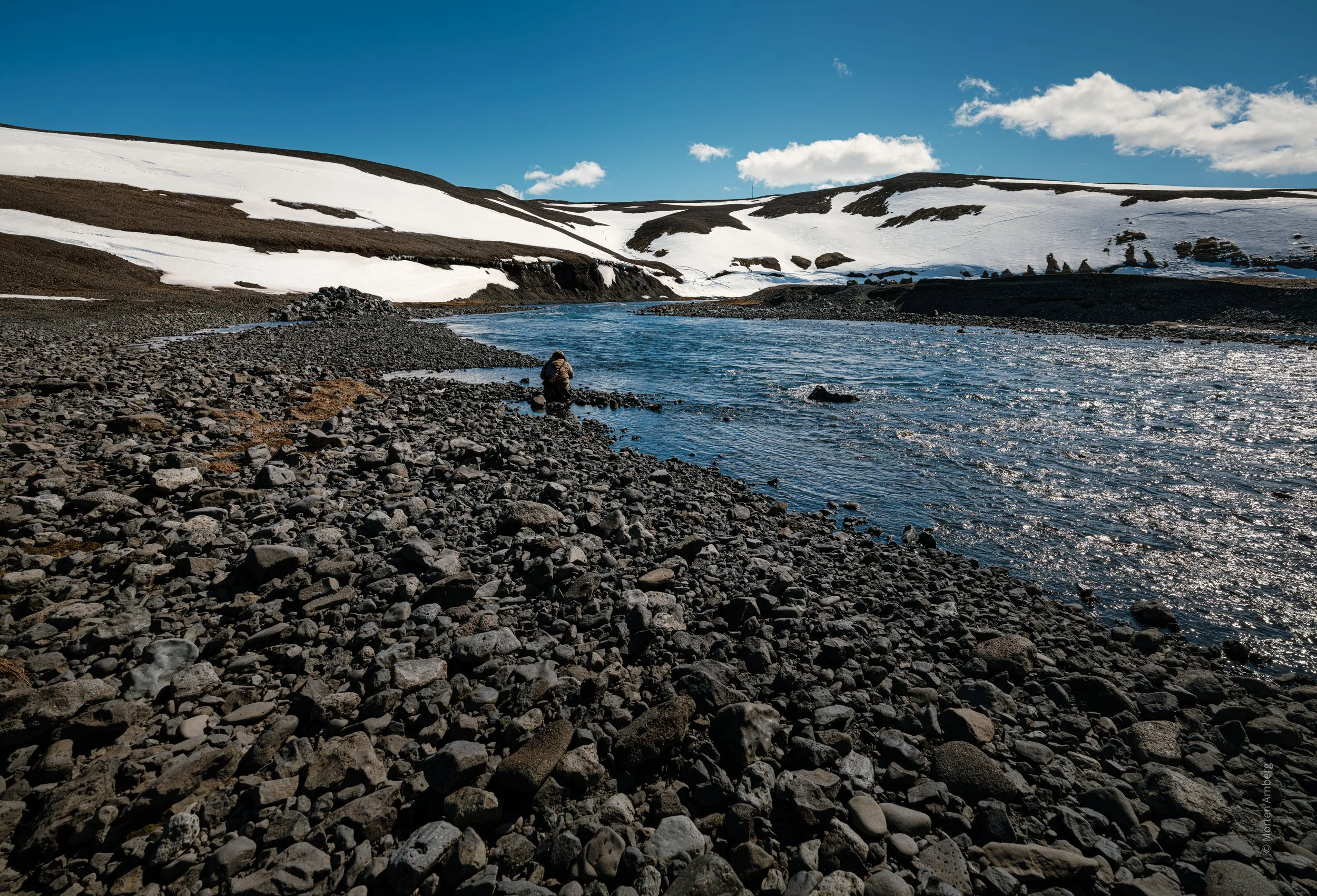
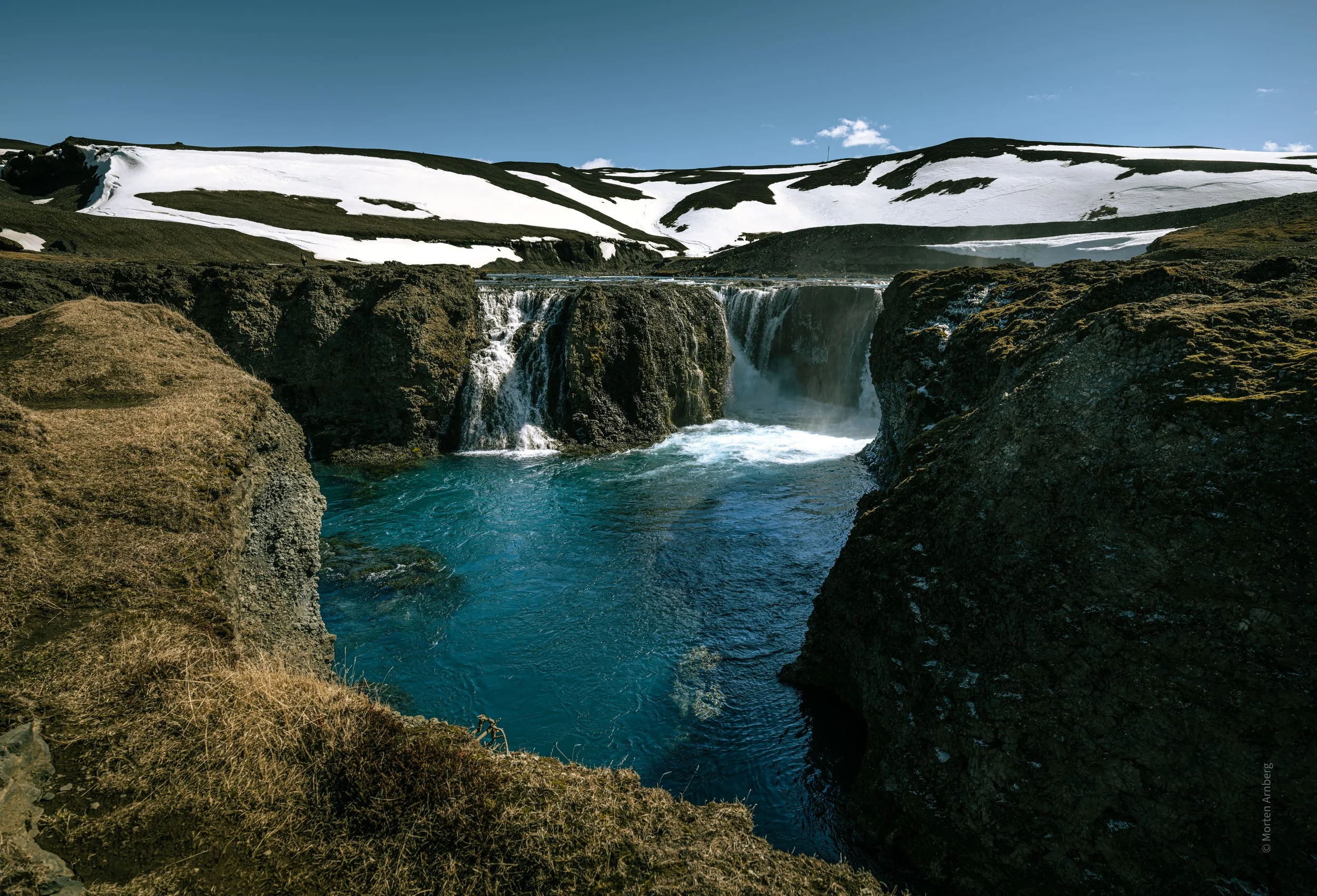
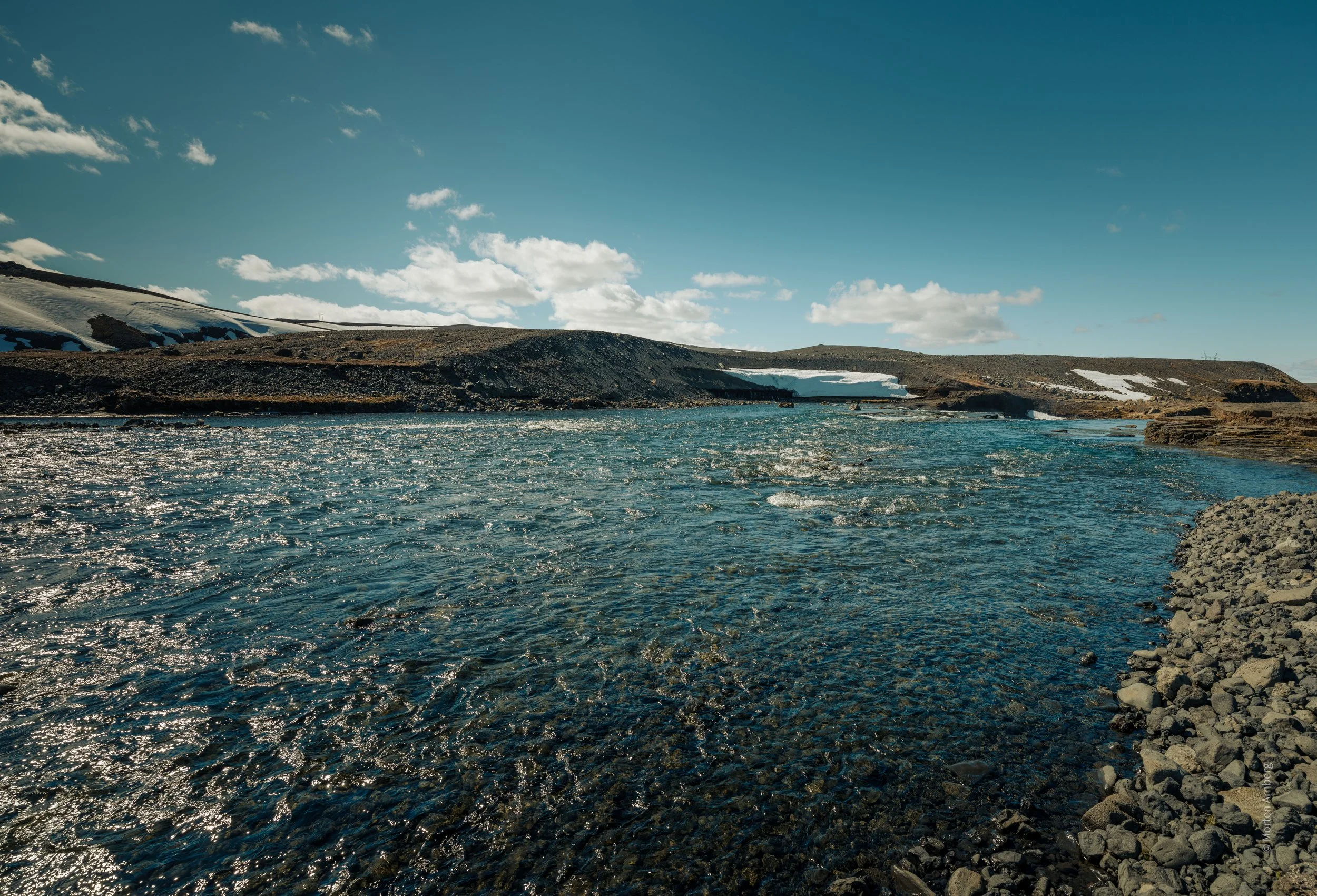
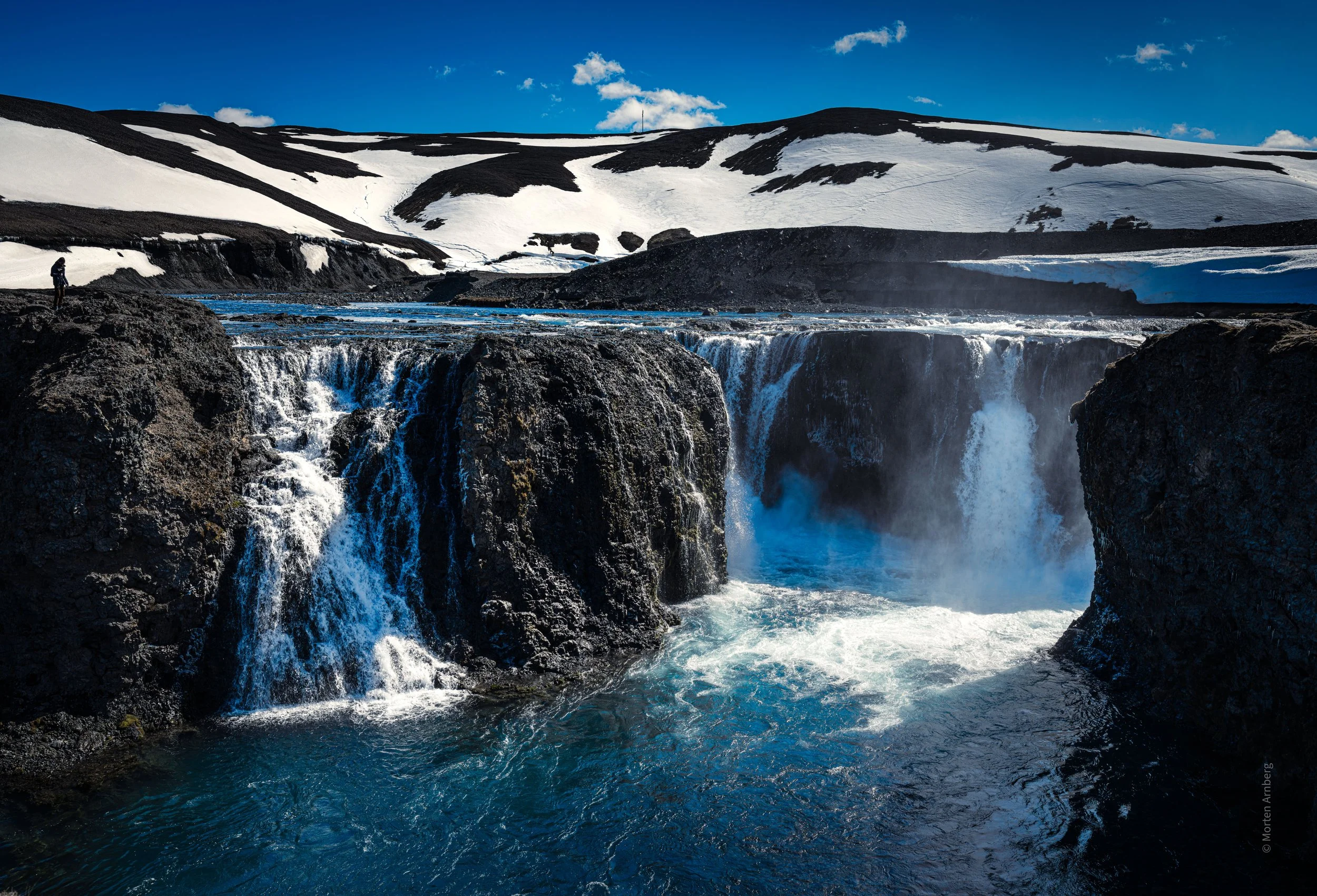
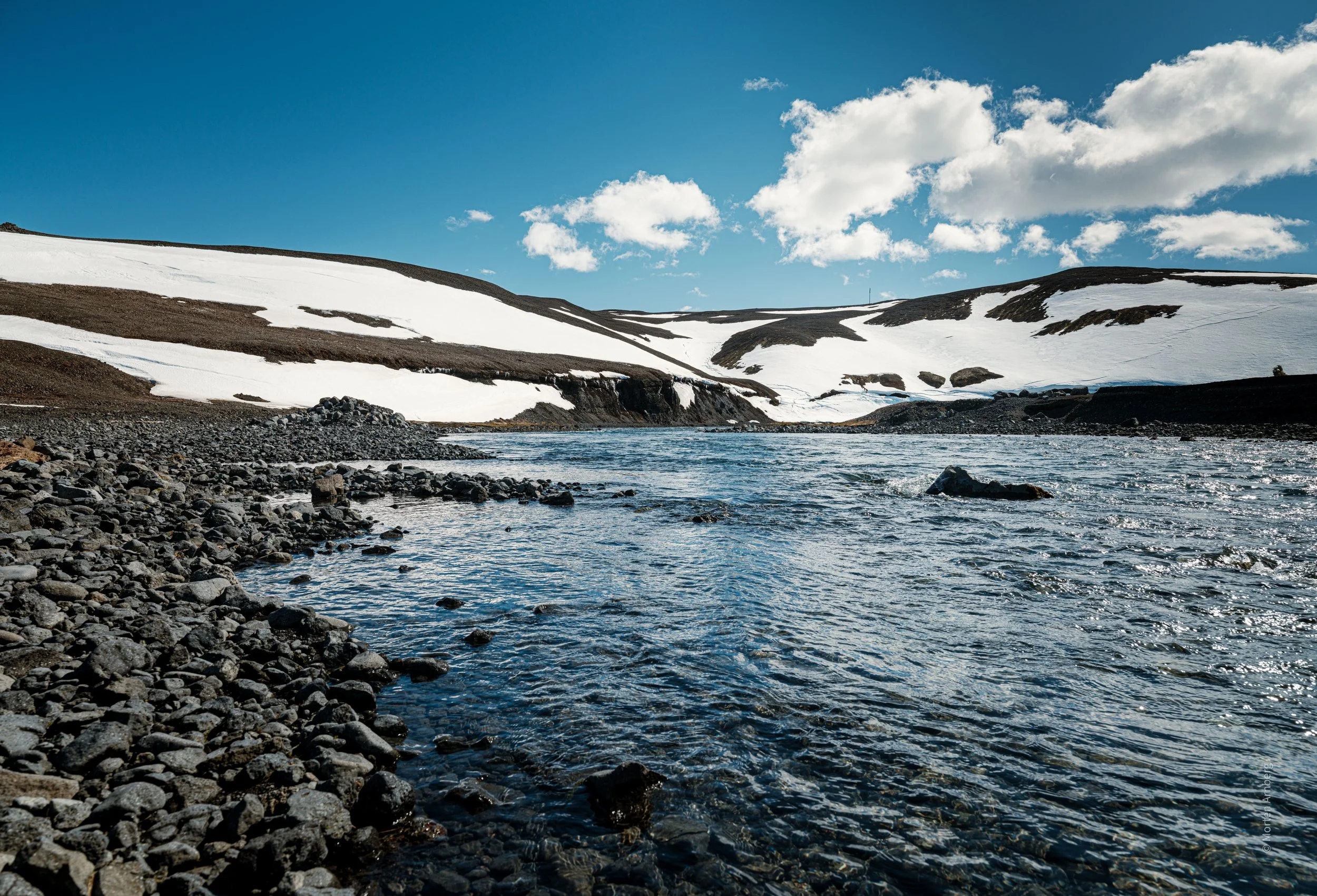
Highland melt water river.
The melt water carves canyons and smaller unstable waterways. The melt water is sediment rich allowing for the rich color display on clear and sunny days.
Especially on sunny days, the melt water river and it’s adjacent water ways can have rising and falling water levels. So, be careful where you go. The ground beneath may not be stable.
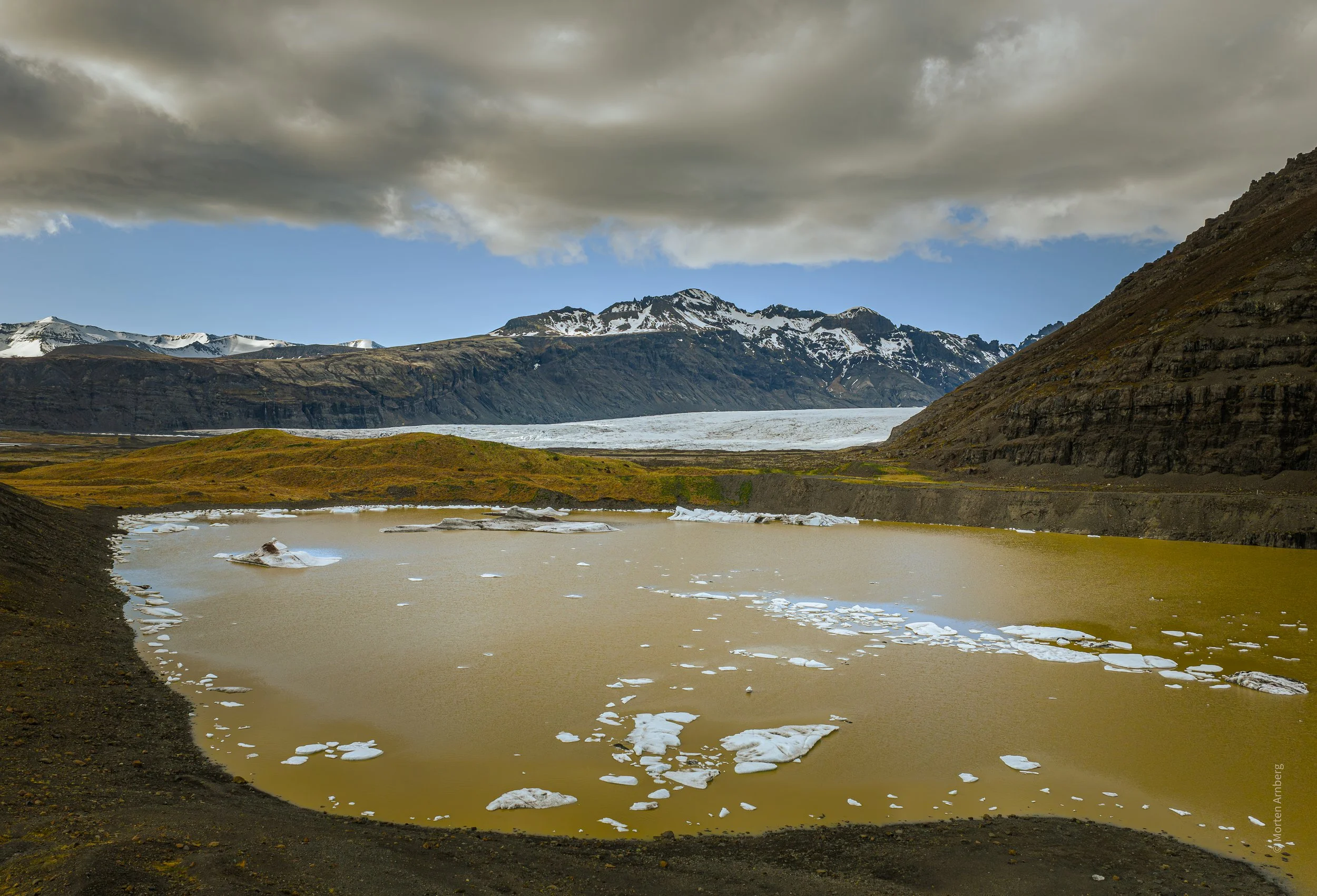
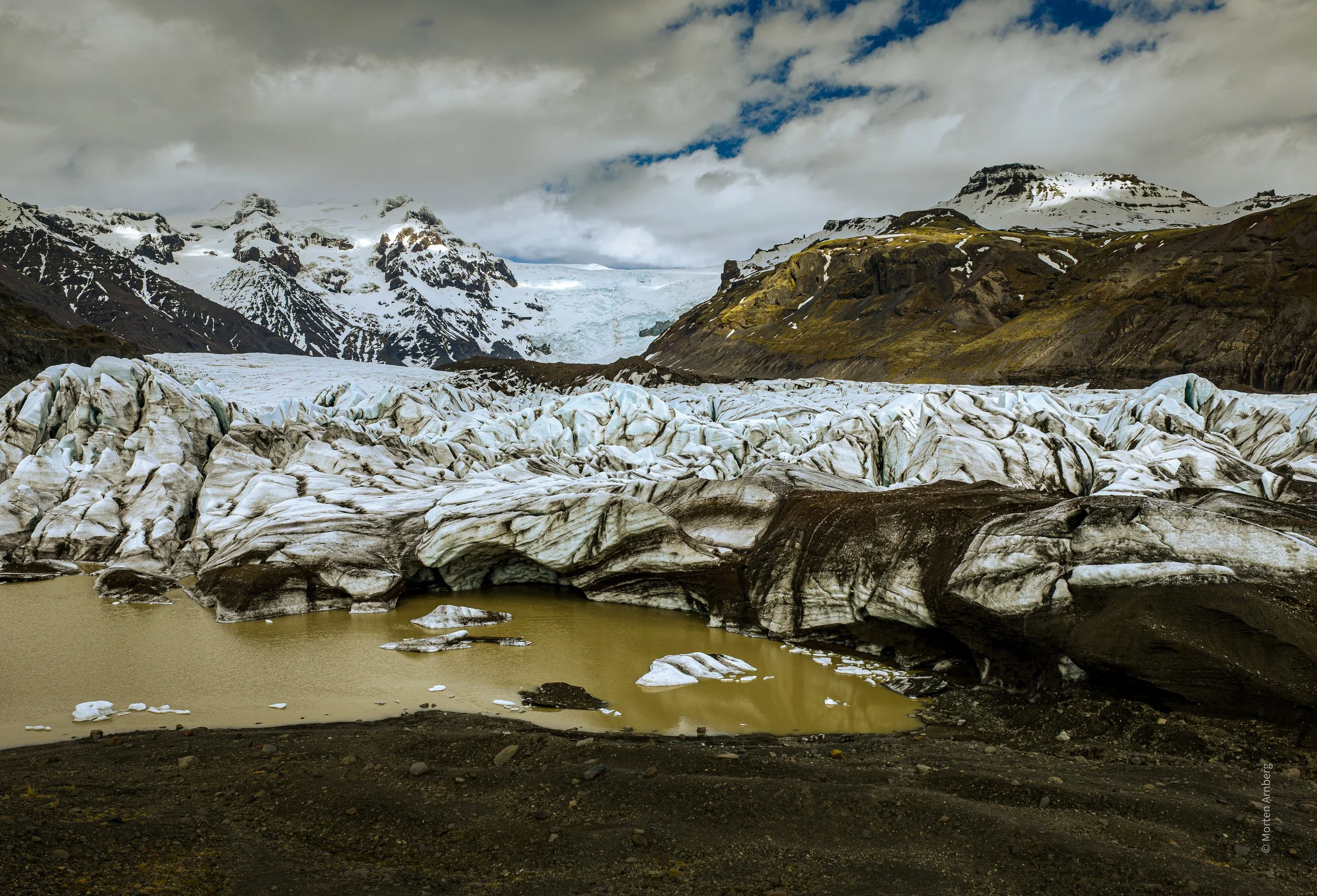
Black & grey glaciers.
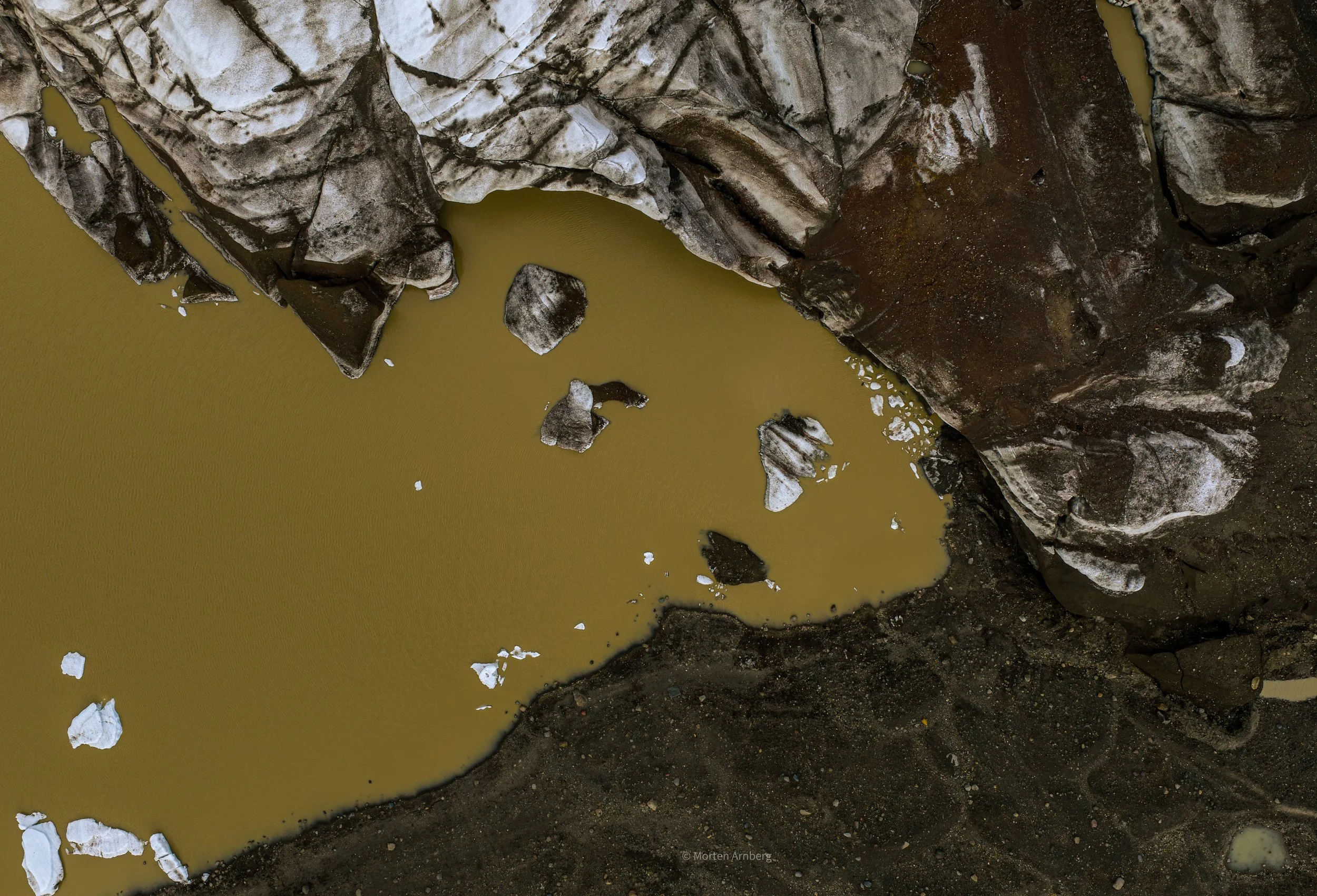
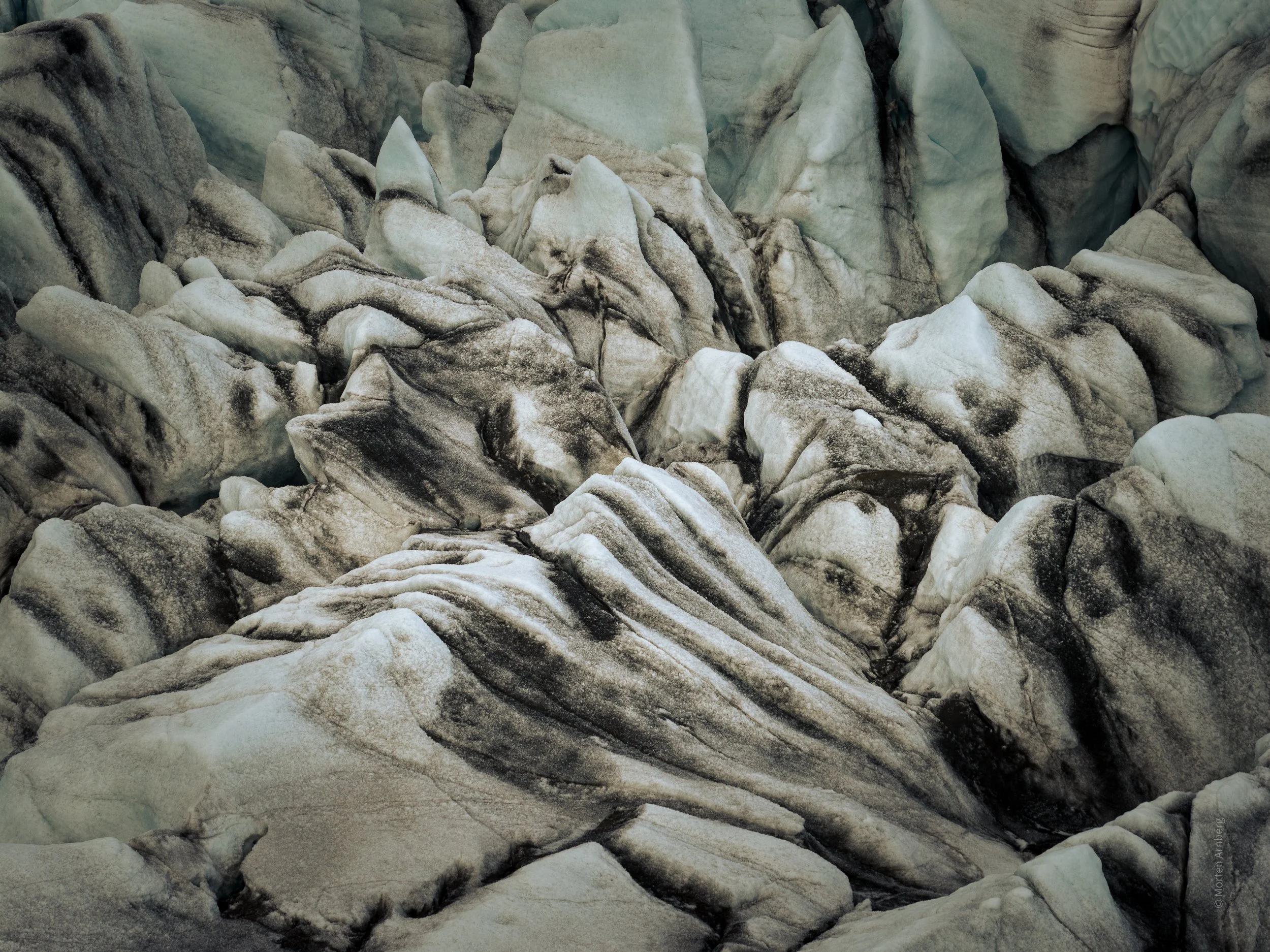
Why are they grey? Glaciers turn grey or even black because their suffaces get covered with glacial flour, rocks, gravel, and soot that accumulate on the ice. The glacier itself is often blue or white. When the clean snow on top of the glacier melts, the accumulted materials - from crushed rock, gravel, algae, soot from wildfires and pollution - become concentrated on the surface.
The effect of the “graying” of the glacier sufface, is an accelerated melting of the glacier as sun rays warms the surface - instead being reflected back into space which happens with a top layer of clean white snow.
This particular glacier has retreated to a degree where it has lost some of its grip on the mountains. Consequently land slides has occurred. Rock and dirt from one such slide can be seen on top of the glacier in the second picture below.
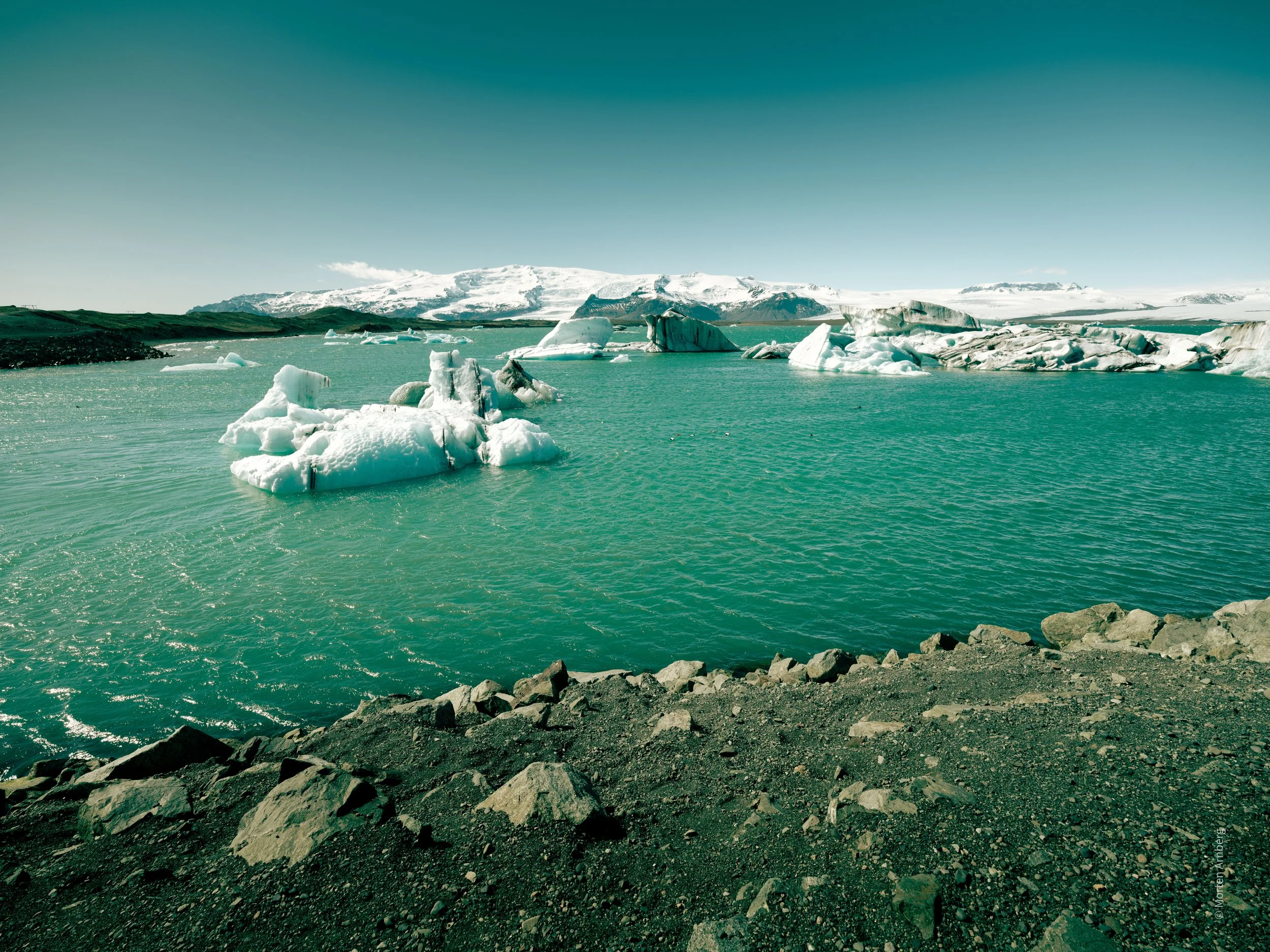
Glacier lagoon.
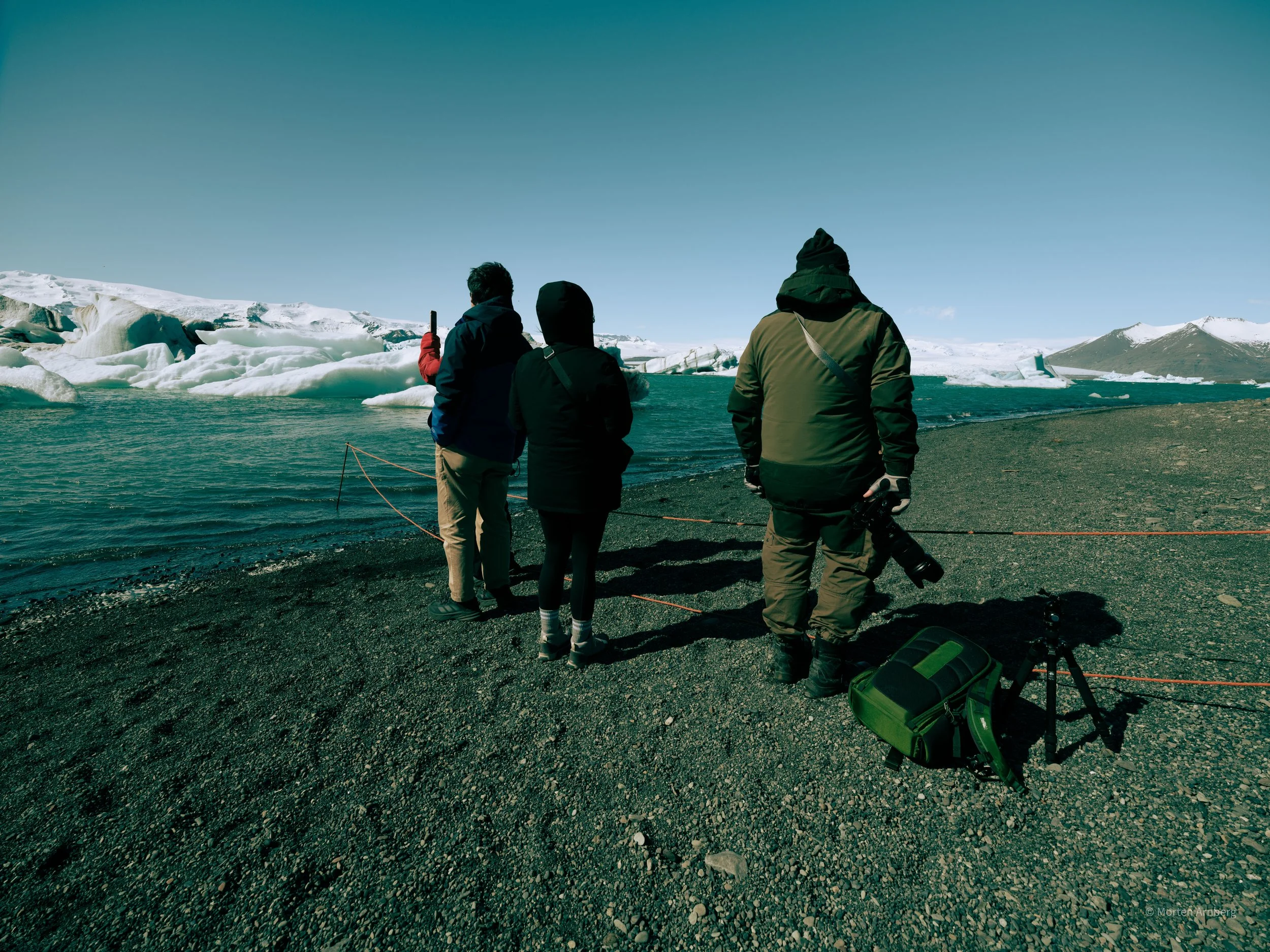
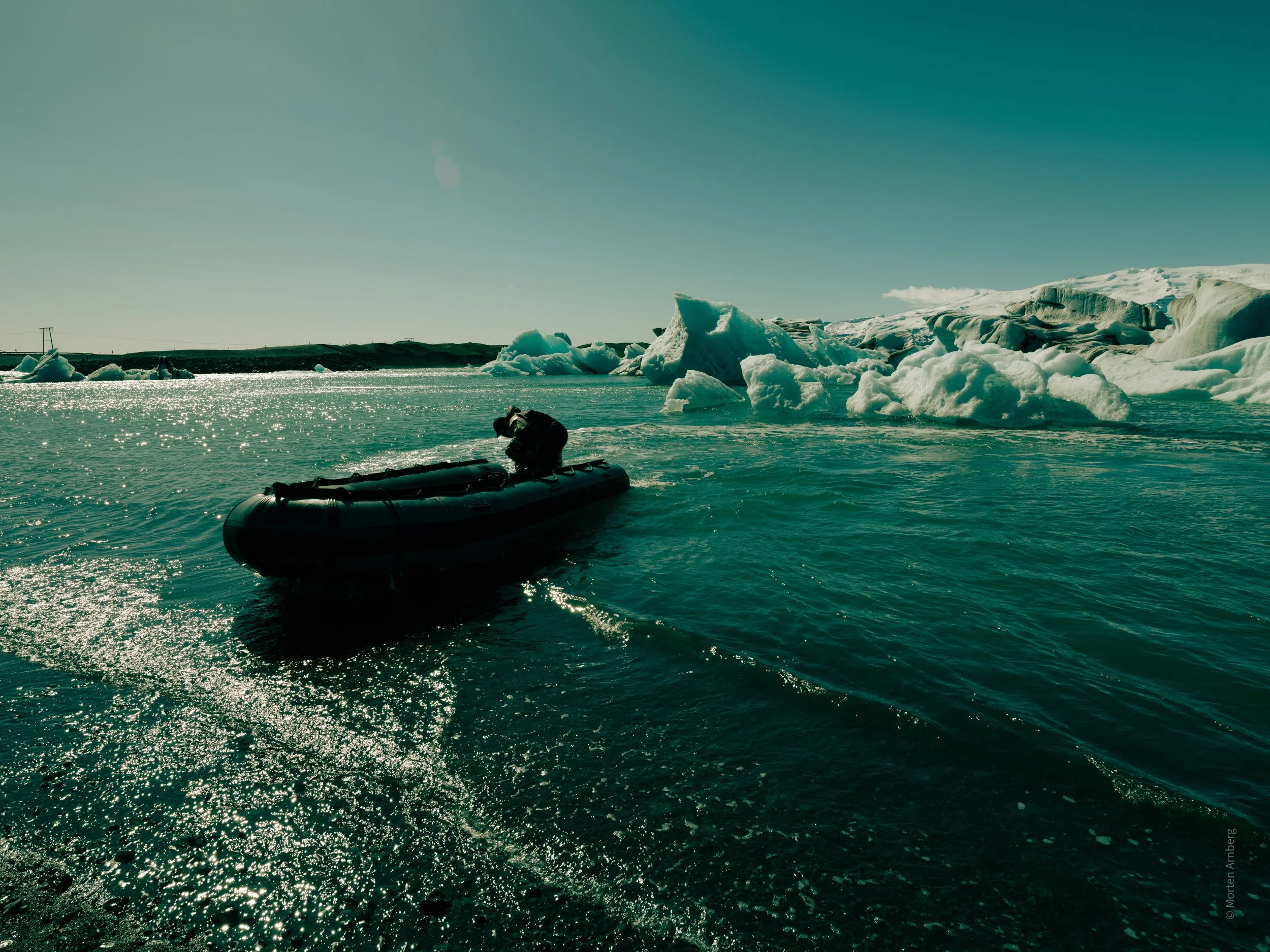
The pictyres below were taken at Jökulsárlón in the southern part of Iceland. The glacier above the lagoon still delivers som huge chunks of “clean” ice, though the many chunks clearly show top layers of gray and black ice.